
Displaying Palestine
Marc Miller enters the history books

Treating a vulnerable people as human beings with the right to tell their own story has always been too difficult a concept for Canada’s political and media elites.
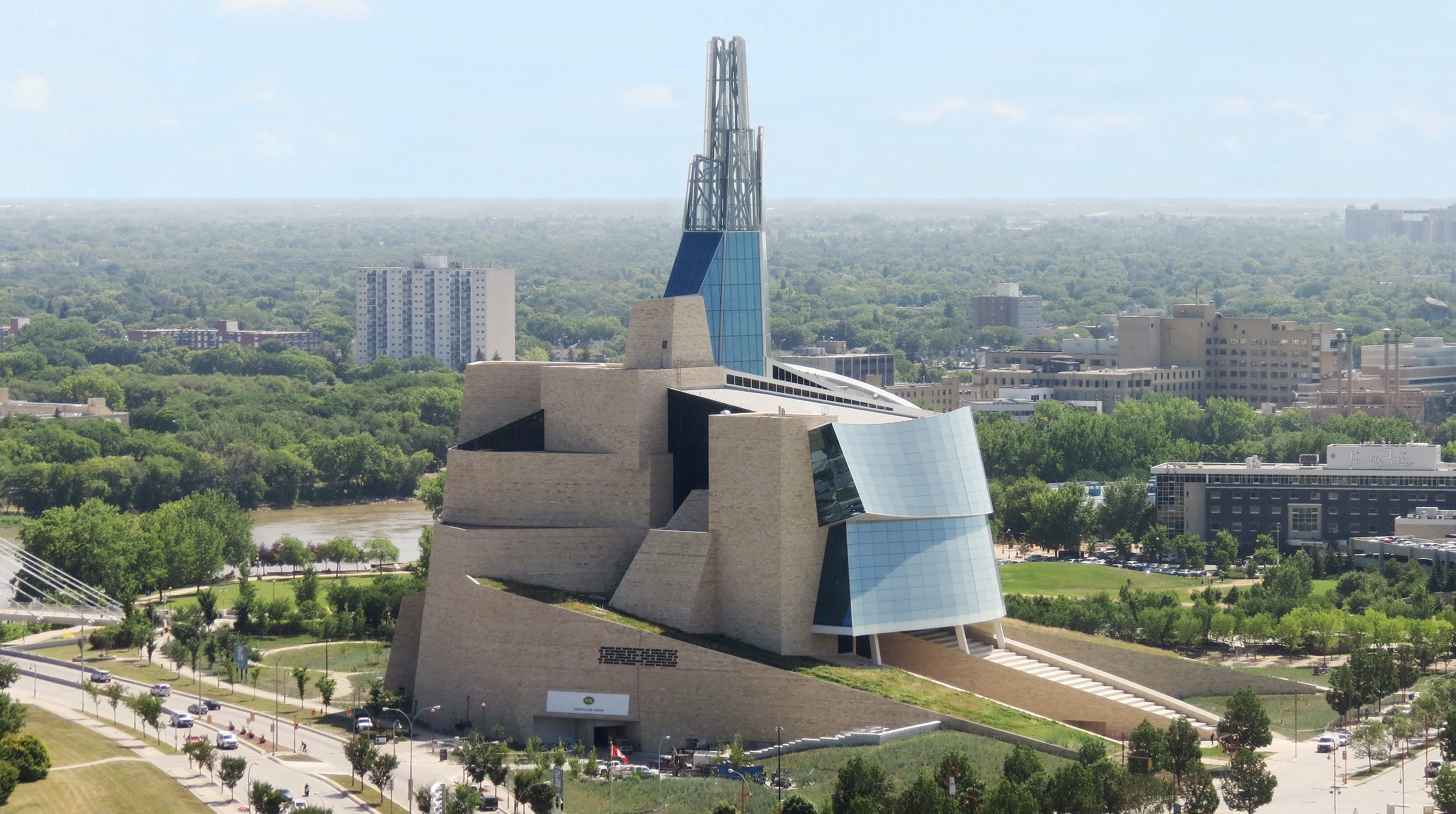
Last week I joined my family for a tour of the Canadian Museum For Human Rights. We were there this time, of course, to view the much-debated new display “Palestine Uprooted: Nakba Past and Present” for ourselves. But no display, at any museum, exists in a vacuum. It is surrounded by other displays and guided by the museum’s principles.
The museum describes its mission as follows: “Our mandate is to explore the subject of human rights, with special but not exclusive reference to Canada, in order to enhance the public’s understanding of human rights, to promote respect for others, and to encourage reflection and dialogue.” It’s a weighty task. A museum dedicated to human rights will always disappoint some and enrage others. No one will ever feel their story has truly been captured by its curators. In fact, the creation of the museum itself was contentious. The first gallery you see as you begin your tour is a timeline of human rights, from ancient times to the present. It calls human rights “an idea thousands of years in the making.” I’m not so sure. I sat beside my daughter to watch the powerful video on Canada’s disgraceful antisemitism before, during, and after the Holocaust. If the concept of human rights is an idea thousands of years in the making so, then, is this obscenity.
When we reached the Nakba display, the first thing we were struck by was how small it is. It consists of a poem, two brief and concise descriptions of the Palestinian experience of dispossession, and four short-form videos on keeping cultural memory alive. The only truly remarkable feature of the exhibit is the security guard posted nearby - alone amongst the museum’s displays. This is, in many ways, unsurprising. Treating a vulnerable people as human beings with the right to tell their own story has always been too difficult a concept for Canada’s political and media elites - a fact repeatedly driven home by many exhibits at the CMHR, from Jewish refugees fleeing genocide to Residential Schools to Japanese dispossession and internment to LGBT Canadians.
Marc Miller, the federal Minister of Canadian Culture and Identity, has proven that this thesis will likely outlast any monument to human rights by choosing to foolishly wring his hands about the Nakba display. Ironically, the minister’s pleas for added context were expressed just days after the United Nations Human Rights Council found that Israel had deliberately targeted children during its genocidal campaign in Gaza, context that does not appear in the museum’s display; somehow, the minister does not call for it to be added to the exhibit. Then, days later, Israeli Prime Minister Benjamin Netanyahu dismissed chances for a negotiated peace of any kind in the region. The minister has, alas, maintained his silence on this surely valuable context to any discussion of continued Palestinian displacement. Perhaps he will leave the museum off the hook, this time.
That’s the thing about context. It keeps coming. No museum, no display, will ever capture all that can, and even should be said. The Nakba exhibit is too small. So is the Holocaust gallery! You could pave the whole province and fill it end to end with these stories - and many more - and it would never be enough to contain the hurt.
Marc Miller owes Canadians an apology for his overreach. But better, really, that he says not another word. As an institution “dedicated to the evolution, celebration, and future of human rights,” the minister has already provided all the context the Canadian Museum For Human Rights will ever need for a future display.