
The breaking point
Brexit, Alberta and belonging

A decade ago, in 2016, the United Kingdom voted, narrowly, to leave the European Union. It’s a vote that presaged the first election of Donald Trump and the subsequent descent of the Republican Party into full-blown authoritarianism. Today, Alberta Premier Danielle Smith is preparing her own referendum campaign within the accelerationist framework of modern conservatism I have dubbed “One Brexit After Another”. It might just produce a breaking point for Canadian conservatism, if not Canada itself.
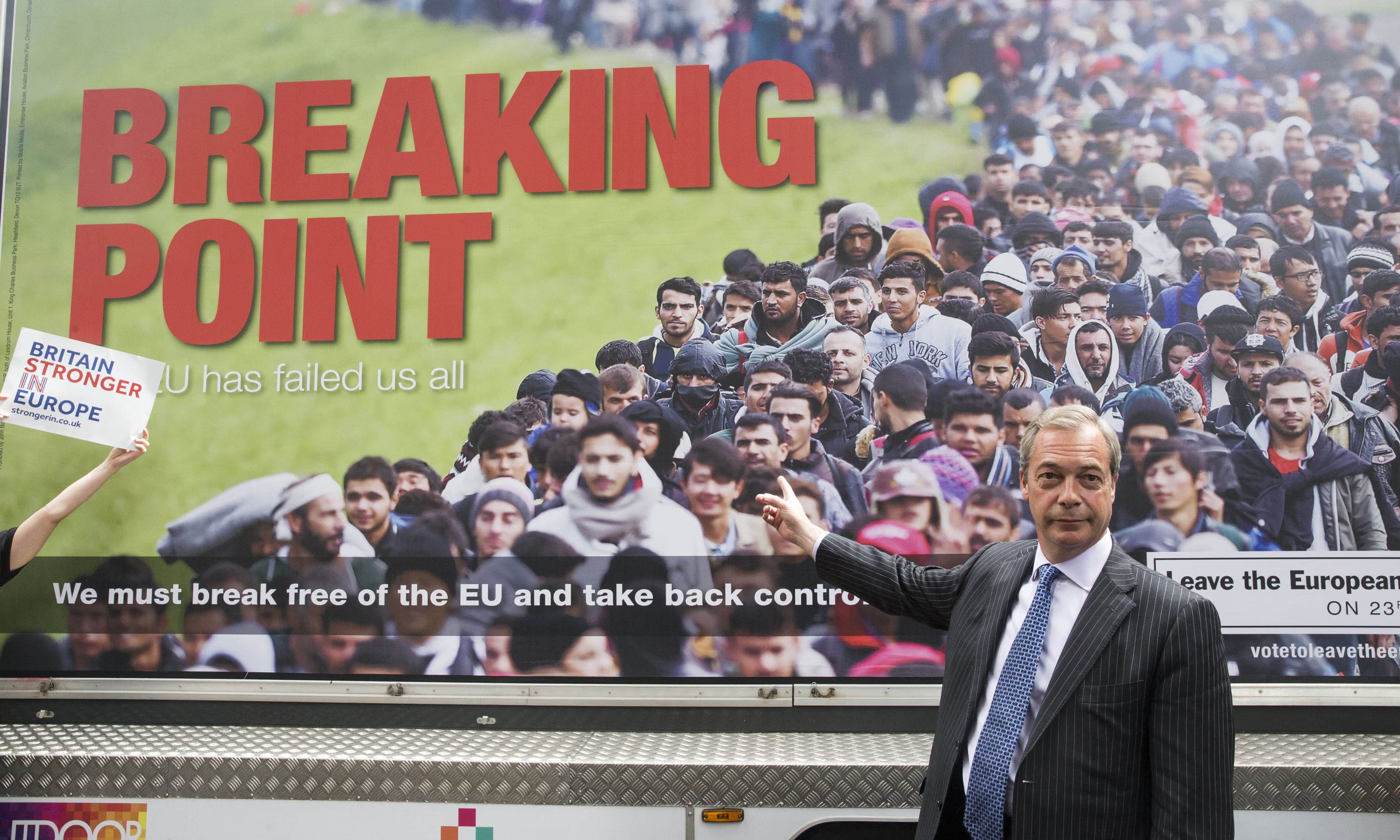
The UK referendum question read: “Should the United Kingdom remain a member of the European Union or leave the European Union?” Essentially, where does the United Kingdom belong? The Leave campaign had no real answer to this question. Instead, Nigel Farage used the “Breaking Point” image above to re-frame the ballot question. Instead of asking where the UK belonged, he asked: who belongs in the United Kingdom?
The first five questions Premier Smith will ask Albertans are all premised on that same question. She seeks to paint immigrants and refugees as the “breaking point” for Alberta’s place in Confederation. She asks: Who belongs in Alberta? In 2026 we know what this question actually means. It is disingenuous, at best, to ignore the increase of white supremacist race riots in the UK; it is willful blindness to elide the regime of kidnapping, family separation, detention and deportation that now stains the United States. But these are the questions she must ask, because she cannot herself answer the question that matters: where does Alberta belong?
We can forget how different the major conservative parties in the West looked a mere decade ago. When UK Prime Minister David Cameron called the Brexit referendum, he promptly campaigned against it. After all, this was a Conservative leader who had made a point of maintaining the Blair/Brown Labour government’s foreign aid targets, saying:
“To those who are sceptical, I would say it is not only a moral obligation that the better-off countries have to tackle poverty in our world when we still have over a billion people living on less than a dollar a day, but it’s also in our interests that we build a more prosperous world.”
He did not, but could easily have used the image above to support his claim, teaming with Oxfam or the Red Cross to showcase the “breaking point” for refugees from famine and war. But what the Brexit campaign proved, and the 2016 US presidential election result reaffirmed, was the political power of transgressing established political norms on race and immigration.
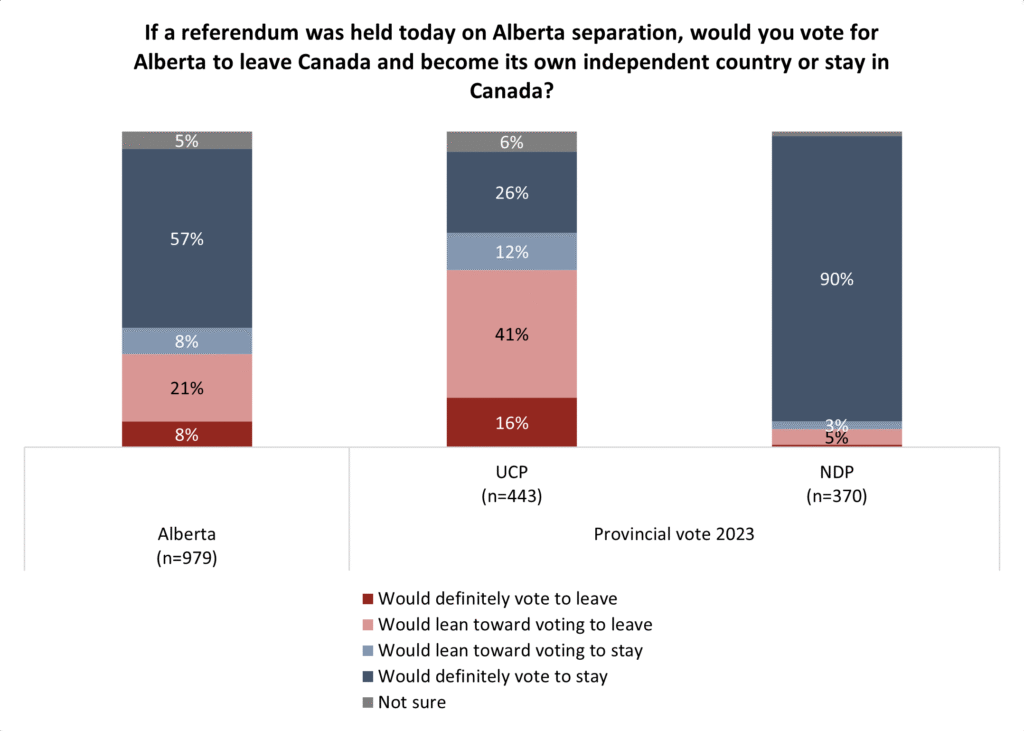
According to pollster Angus Reid, “One-in-six (16%) UCP [United Conservative Party] voters say they would definitely vote to leave, while another two-in-five (41%) lean this way.”
Canadian conservatism is not well-suited to the constant convulsions of “One Brexit After Another”. For one, it has always been a fractious bunch. The last conservative prime minister, Stephen Harper, had to spend a decade uniting the right under the Conservative Party of Canada banner before securing an electoral victory at the federal level. Another question of belonging. Amidst this turmoil, Canada’s conservative parties have always been most comfortable playing cheerleader for their more vigorous and successful Anglo-American allies. Canadian conservatives have supported Free Trade with the United States (which, lol), opposed Canada’s abstention from the Iraq War and mourned the passing of Margaret Thatcher with what one might editorially refer to as undue deference.
But Alberta has always been the engine of Canada’s conservative movement. Harper hails from there. The CPC’s current leader, Pierre Poilievre, had to find a safe seat in Alberta after losing his Ottawa-area seat in the most recent federal election. That Smith has no answer to the question - where does Alberta belong? - is therefore not just an existential threat to Canada, but to conservatism in Canada. If Alberta’s place in Canada is in question, what place is there for the Conservative Party of Canada?
We are likely to see bitterly divisive referendums in Alberta and Quebec fought on race, immigration and belonging in the near future. At the moment, few believe these will be successful. I am reminded, though, that no one thought Brexit or Trump 2016 would be successful, either. Even if they do not succeed, I believe they will lead to a re-fracturing and re-shaping of the political Right in Canada into regional grievance parties. This would not be good for the country. By changing Canada’s conversation from where do we belong? to who belongs?, Danielle Smith is driving Alberta and Canada towards multiple breaking points for the foreseeable future.
I kind of alternate between "these conservatives and their rich donors are tapping into forces they don't fully understand and can't control" and "these conservatives and their rich donors are would-be fascists who want society to break down and are happy to destroy the world if they get to rule the ashes"